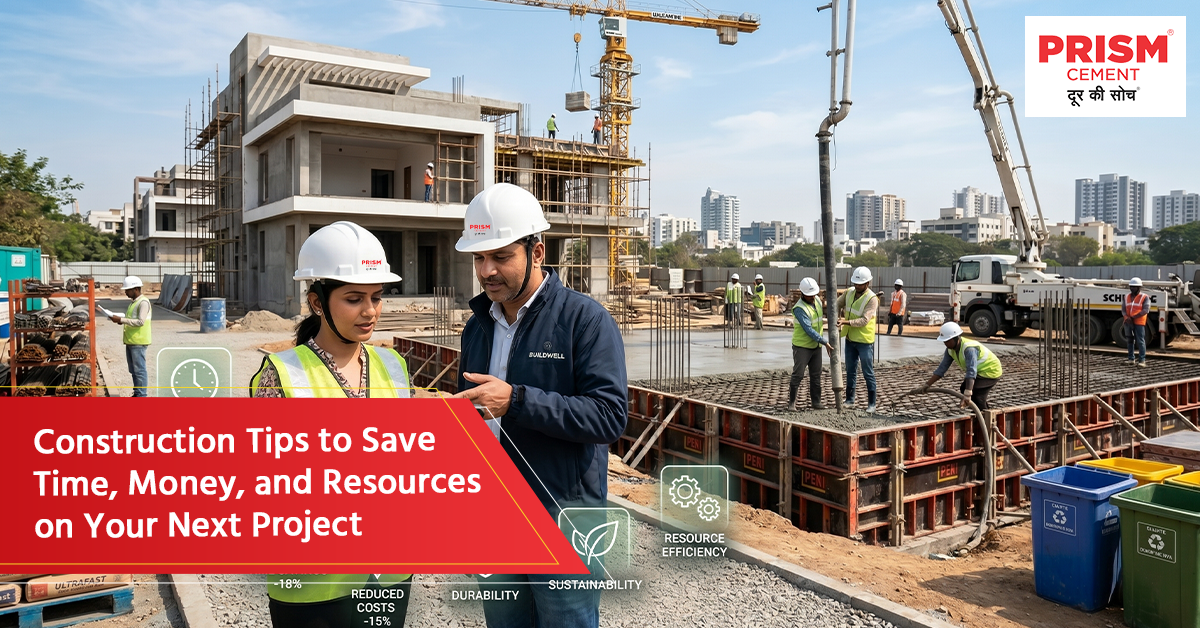


In the ever-evolving world of construction, every decision matters- from selecting the right materials to managing timelines and minimising waste. Among the most significant innovations that modern building practices have embraced is ready mixed concrete (RMC). Whether you are building a residential project, a commercial property, or large infrastructure project, RMC offers advantages in terms of efficiency, waste reduction, and consistent quality.
Let’s explore how this modern solution is transforming the way we build.
Understanding Ready Mixed Concrete
Ready mixed concrete is a pre-mixed blend of cement, construction aggregate, water, and optional admixtures, carefully prepared in a batching plant. ItThe concrete is then transported to the construction site using transit mixers. Unlike traditional on-site mixing, which is manually prepared at the construction site, ready mixed concrete is produced in a controlled environment using automated batching system. This ensures an accurate mixing ratio for concrete, leading to better strength, workability, and durability.
What sets it apart is its precision. The concrete ratio is pre-determined by experts based on the project needs, which eliminates guesswork and human error at the site. This not only streamlines construction work but also delivers better results.
How Ready Mixed Concrete Improves Efficiency?
One of the primary benefits of using ready mixed concrete is the significant improvement in construction efficiency. With pre-mixed and ready-to-use material delivered directly to the construction site, teams can avoid the lengthy process of manually measuring and mixing raw construction materials. This allows construction teams to focus more on core building activities.
In large-scale projects where time and productivity are critical, delays due to manual mixing can cause bottlenecks. Using Ready mixed concrete cuts through that problem, offering rapid deployment, faster setting times and smoother project execution.
It also allows for better planning, as project managers can schedule deliveries in line with the workflow, reducing idle time and manpower costs. This ultimately brings down the total project duration and helps keep the budget on track.
Reducing Waste with Ready Mixed Concrete
Traditional concrete mixing on-site often leads to material overuse, spillage, and surplus disposal which can contribute to construction waste. Since ready mixed concrete is prepared to the exact specifications in a controlled environment, it directly helps reduce construction on-site waste, cut costs, and lower the overall environmental footprint of the project.
Moreover, the batching process used for it ensures that the use of construction aggregate, cement, and water is optimised. This minimises resource consumption and avoids the need for excessive storage or disposal of unused concrete.
Ensuring Quality and Strength in Construction
When it comes to concrete solutions, quality becomes non-negotiable. The consistent concrete ratio in ready mixed concrete helps ensure better load-bearing capacity and resistance to weathering, making it ideal for all types of construction work. Since it is mixed using automated systems with stringent quality checks, it delivers uniformity that is difficult to achieve with manual mixing.
This consistency leads to structures that are more durable and require less maintenance over time. Whether it is a high-rise building or a simple driveway, using ready mixed concrete ensures long-lasting strength and reliable performance.
Sustainability Benefits of Ready Mixed Concrete
Traditional on-site mixing often generates dust, material spillage, and noise due to manual handling of cement, sand, and aggregates. In contrast, ready mixed concrete supports more environment friendly construction practices by preparing concrete under controlled conditions, thereby helping limit dust emissions and reduce on-site pollution. Additionally, the need for large quantities of raw material storage at construction sites is minimised, helping reduce waste, site congestion, and overall environmental impact.
Conclusion
In today’s fast-paced construction environment, builders need solutions that are not only efficient but also environment friendly and cost-effective. Ready mixed concrete rises to that challenge with its ability to streamline construction, reduce waste, and ensure consistent quality.
However, the performance of concrete also depends on the quality of cement used in the mix. Prism Cement offers a range of premium PPC cement options designed to deliver strength, durability, and reliability across all kinds of construction needs.
Whether it is a small home project or a large infrastructure development, choosing the right cement and concrete solution can significantly influence the long-term performance of a structure.
Frequently Asked Questions (FAQ)
Q1. What is ready mixed concrete, and how is it different from traditional site-mixed concrete?
Answer: RMC is concrete prepared in a batching plant under controlled conditions and proportions, delivered to the construction site in transit mixers. This results in more accurate mixing ratios for concrete and consistent quality. Unlike traditional concrete which is mixed manually on-site.
Q2. How does using ready mixed concrete improve construction efficiency and save time?
Answer: There is no need for on-site mixing, which saves time and labor. Deliveries can be scheduled precisely, reducing downtime and helping projects move faster.
Q3. In what ways does ready mixed concrete help reduce material waste on-site?
Answer: Since it is pre-measured and pre-mixed, it eliminates excess usage and spillage, minimises construction waste significantly.
Q4. How does ready mixed concrete ensure consistent quality and durability?
Answer: Batching plants use automated systems and quality checks to maintain consistent concrete ratios, resulting in stronger and longer-lasting structures.
Q5. What are the environmental benefits of using ready mixed concrete in construction projects?
Answer: By optimizing material use and reducing waste, it contributes to more sustainable construction practices, with a lower environmental impact.