

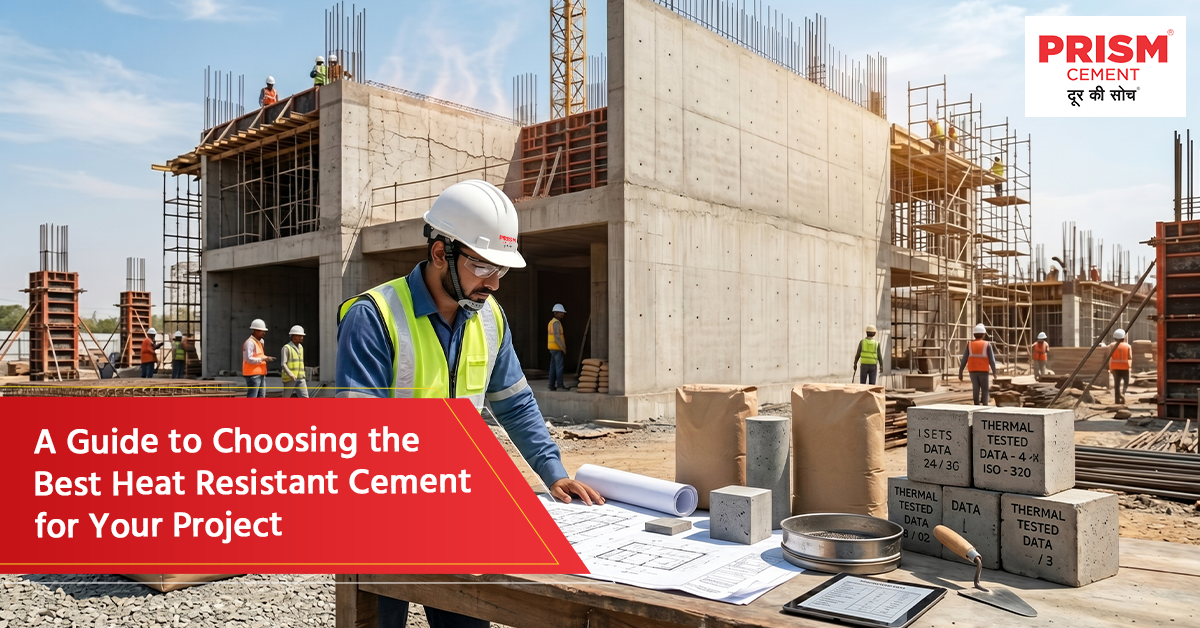
Selecting the right heat resistant cement is crucial for projects exposed to high temperatures or fluctuating heat types. Using the correct cement materials ensures structural integrity, durability, and safety. High-quality construction materials combined with proper construction techniques improve performance and longevity in industrial, residential, or commercial applications.
Heat resistant cement is designed to withstand thermal stresses that regular cement cannot, making it ideal for chimneys, furnaces, kilns, or any structure exposed to high heat or frequent temperature changes.
What is Heat Resistant Cement?
Heat resistant cement is a specialised type of cement engineered to endure high temperatures without cracking or losing strength. Unlike standard cement, it maintains its structural properties even under continuous heat exposure. Common formulations include high alumina cement and all weather cement, which provide both thermal stability and durability.
This type of cement is also used in combination with other materials that are heat resistant to protect critical elements in construction.
Types of Heat Resistant Cement
There are several type cement options for high-temperature applications:
- High Alumina Cement (HAC): Offers superior heat resistance and rapid strength development, making it ideal for industrial furnaces and refractory applications.
- PSC Cement (Portland Slag Cement): Provides moderate heat resistance and durability for structures such as boiler linings and industrial facilities.
- All Weather Cement: Suitable for varying climates and moderate thermal exposure, combining heat resistance with durability.
- Sustainable Cement: Eco-friendly options with heat-resistant properties suitable for both industrial and residential applications.
Choosing the correct heat resistant material depends on the intended temperature range and structural requirements.
Factors to Consider When Choosing Heat Resistant Cement
- Temperature Range: Select cement capable of withstanding the project's maximum expected heat.
- Structural Load: Ensure compatibility with load-bearing construction materials.
- Environmental Exposure: Consider moisture, chemical exposure, and outdoor conditions.
- Application Type: For concrete slabs, chimneys, kilns, or firewalls, specific formulations may be required.
- Curing Requirements: Heat resistant cement often requires special curing techniques to achieve optimal strength.
Best Brands & Products on the Market
Top-quality heat resistant cements are available from manufacturers that ensure consistent cement materials, strength, and durability. Look for brands offering high alumina cement and PSC cement formulations with verified performance for high-temperature applications.
Consulting suppliers about the appropriate materials that are heat resistant for your project ensures optimal results and long-term performance.
How to Use Heat Resistant Cement?
- Mix according to the manufacturer’s recommended cement ratio and water content.
- Apply using standard construction techniques for cement and concrete placement.
- Cure properly to achieve maximum strength and thermal resistance.
- Combine with appropriate sustainable construction materials or insulation for additional heat protection.
Conclusion
Using the right heat resistant cement ensures that structures exposed to high temperatures remain strong, durable, and safe. Selecting the correct type cement, considering heat types, and following proper construction techniques is critical for project success.
For the best results, use high-quality products from Prism Cement, renowned for their superior heat resistance and durability, and consult professionals to ensure the correct mix, placement, and application for your specific project needs.
Frequently Asked Questions (FAQs)
1. What is heat resistant cement, and how does it differ from regular cement?
Heat resistant cement maintains strength and integrity under high temperatures, unlike standard cement which may crack, weaken, or lose durability when exposed to excessive heat.
2. Which types of projects require heat resistant cement?
Projects such as kilns, furnaces, chimneys, firewalls, incinerators, and high-temperature industrial structures require heat resistant cement.
3. What are the key factors to consider when selecting heat resistant cement?
Consider temperature exposure, structural load, environmental conditions, curing requirements, and compatibility with cement materials.
4. How long does heat resistant cement take to cure, and what is its durability?
Curing depends on the cement type and environmental conditions. When properly applied and cured, heat resistant cement offers long-term durability and excellent thermal stability.
5. Where can I buy high-quality heat resistant cement for my construction needs?
High-quality products are available from verified suppliers, including Prism Cement, which offers superior strength, durability, and reliable performance for demanding construction applications.
.png)
.png)