Modern construction increasingly prioritises sustainability, making eco-friendly construction techniques essential for reducing environmental impact. Using environment friendly construction materials, sustainable practices, and efficient planning aligns with the principles of sustainable development. Builders and contractors can implement strategies that minimise energy consumption, reduce waste, and improve the long-term performance of structures.

Incorporating eco-friendly materials like PPC cement, recycled aggregates, and energy-efficient insulation allows projects to meet environmental standards while maintaining structural integrity. These practices also contribute towards green building certifications such as IGBC, GRIHA, and LEED by promoting resource efficiency and reducing environmental impact. Sustainable construction techniques contribute to cleaner, healthier, and more resilient buildings.

Key Principles of Sustainable Construction

Sustainable construction relies on careful material selection, resource efficiency, and waste reduction. Key principles include:

  • Use of sustainable construction materials such as PPC cement and recycled aggregates.
  • Minimising energy consumption during construction work as well as throughout the building's operational life cycle.
  • Reducing construction waste through planning, segregation, recycling, and optimisation of materials of construction.
  • Implementing water-efficient systems and eco-conscious site practices.

These principles ensure that projects are both environmentally responsible and economically viable.

Top Eco-Friendly Construction Techniques

Some of the most effective eco-friendly construction techniques include:

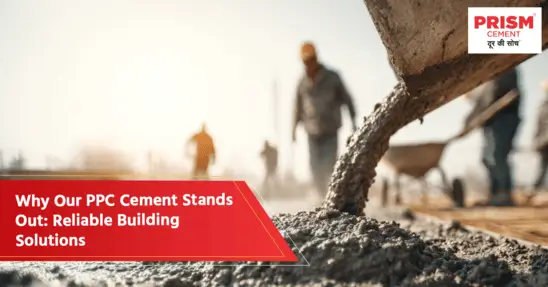
  • Use of PPC Cement: Generally has a lower embodied carbon footprint than OPC because it contains supplementary cementitious materials such as fly ash, reducing clinker content while maintaining excellent durability and strength.
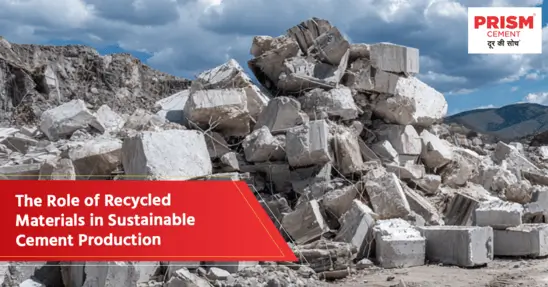
  • Recycled and Locally Sourced Materials: Incorporating reclaimed wood, recycled aggregates, and eco-friendly bricks reduces transportation emissions and material waste.
  • Energy-Efficient Design: Proper orientation, natural ventilation, and insulation improve thermal comfort and reduce energy use.
  • Green Roofs and Rainwater Harvesting: Promote water conservation and reduce urban heat island effects.
  • Modular and Prefabricated Construction: Minimises site waste and accelerates project timelines.
  • Digital Tools: Building Information Modelling (BIM) helps optimise material usage, minimise wastage, and improve construction efficiency.
These methods enhance efficiency while meeting eco friendly project standards.

Benefits of Eco-Friendly Construction

Adopting sustainable construction techniques provides multiple advantages:

  • Reduced environmental footprint through lower resource consumption.
  • Improved building durability and resilience using sustainable construction materials.
  • Cost savings over time due to energy efficiency and waste reduction.
  • Improved indoor environmental quality through better ventilation, natural lighting, thermal comfort, and enhanced occupant health.
  • Positive contribution to the benefits of sustainable development in both urban and rural areas.

Successful Sustainable Building Projects

Many modern buildings showcase the effectiveness of eco-friendly construction techniques. By integrating concrete cement, PPC cement, recycled materials, and energy-efficient systems, these projects demonstrate long-term sustainability without compromising on quality or aesthetics. Lessons from such eco friendly projects help guide future residential and commercial construction.

Challenges and Future Trends

Implementing eco-friendly construction techniques requires skilled labour, higher upfront investment, and careful planning. However, advances in sustainable construction materials, modular construction, and eco friendly materials innovations are making green building more accessible. Future trends indicate increased adoption of renewable energy, smart materials, and stricter environmental regulations.

Conclusion

Adopting eco-friendly construction techniques ensures sustainable, durable, and cost-effective buildings. Using PPC cement, recycled aggregates, and other sustainable construction materials reduces environmental impact while enhancing performance and longevity. Proper planning, quality materials of construction, and skilled execution are critical for success.

PPC cement plays an important role in sustainable construction by making efficient use of industrial by-products such as fly ash. For the best results, use high-quality products from Prism Cement, whose PPC Cement is designed for superior strength and durability while supporting environmentally responsible construction practices, and consult professionals to ensure the right materials and methods are applied for your specific sustainable building project.

Frequently Asked Questions (FAQs)

What are the benefits of using eco-friendly construction techniques?

They reduce environmental impact, improve durability, save energy, minimise waste, and promote healthier indoor environments.

How does using PPC cement and other sustainable materials improve construction quality?

PPC cement provides long-term strength, reduces CO₂ emissions, and enhances durability when used alongside other eco-friendly construction materials.

Is PPC cement a good choice for eco-friendly buildings?

Yes. PPC cement is widely recommended for sustainable construction because of its lower carbon footprint, superior workability, and long-term durability.

Do sustainable construction techniques save money in the long run?

Yes. Energy-efficient designs, optimised material usage, and reduced construction waste help lower operating and maintenance costs throughout the building's lifecycle.

What are the easiest ways to make a building more eco-friendly?

Use eco-friendly materials, improve insulation, incorporate renewable energy, recycle construction waste, implement rainwater harvesting, maximise natural daylight, and install water-saving systems.